
for milling tool
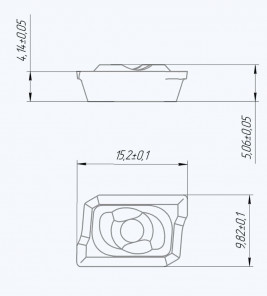
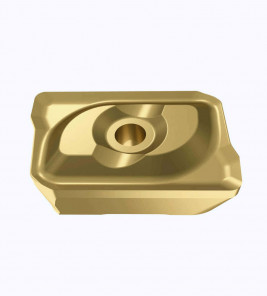
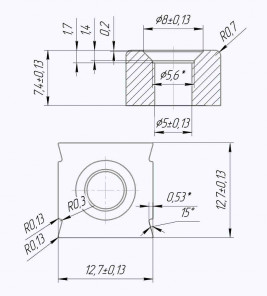
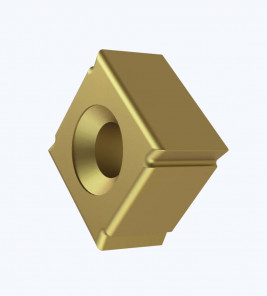
SNHQ 120705
Single-sided disc cutter insert with 0.5 mm radius and chamfered cutting edges, for cutting steel wi..
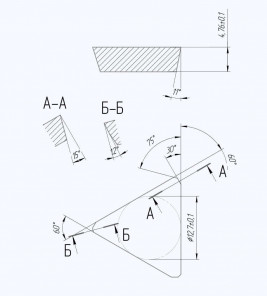
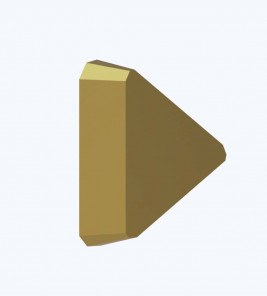
TPKN 2204
Carbide milling insert 60° triangular, 1/2" inscribed circle, 3/16" thick, 0.47" corner radiusProvid..
for milling tool
Carbide plates for milling machines are one of the most common types of cutting tools used for processing metal parts on milling machines. They consist of a carbide base and a cutting portion that can be replaced when it becomes worn or dull.
Carbide plates are considered more efficient compared to traditional tools, as they have high hardness and wear resistance, allowing them to maintain their working properties longer and produce more accurate results. Additionally, replacing carbide plates takes less time than replacing the entire tool, which can result in time and cost savings.
There are many different types of carbide plates, each designed for a specific type of material processing. Some plates are used for processing soft metals like aluminum and copper, while others provide the best results when working with harder materials like steel and cast iron.
Choosing the appropriate carbide plates is essential to achieving the best results and productivity for the task and material being processed. Adjusting the operating mode to match the selected carbide plates can also have a significant impact on the final results.
Overall, carbide plates are an essential cutting tool for processing metal parts on milling machines, as they provide higher productivity, accuracy, and time and cost savings.