
for machining wheelsets and rails
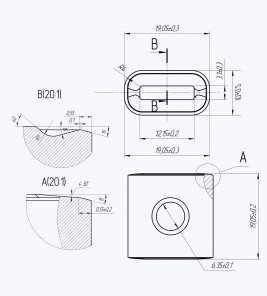
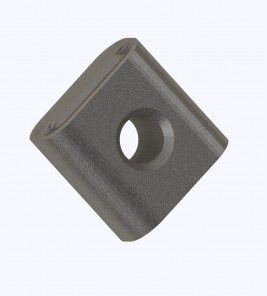
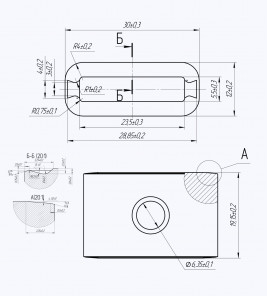
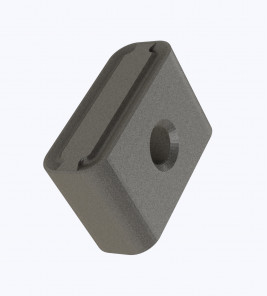
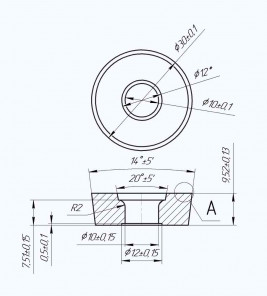
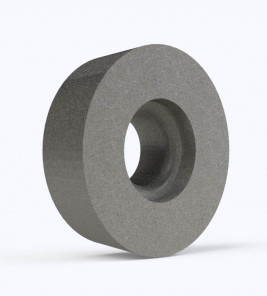
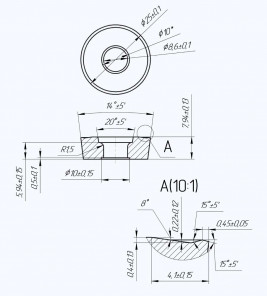
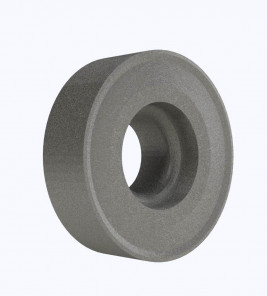
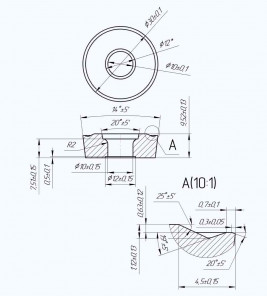
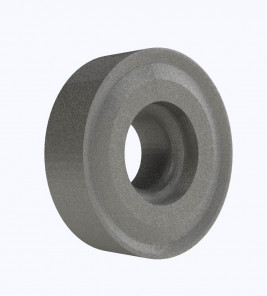
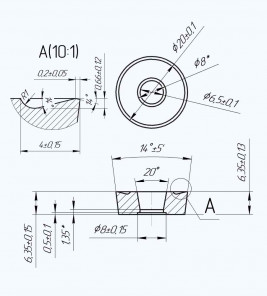
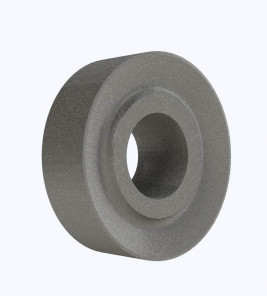
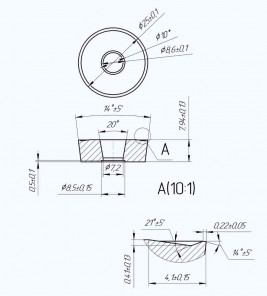
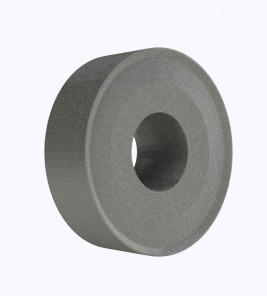
LNUX 301940
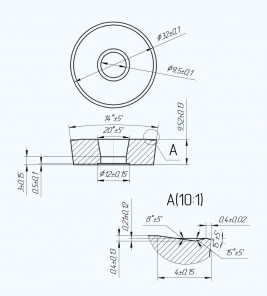
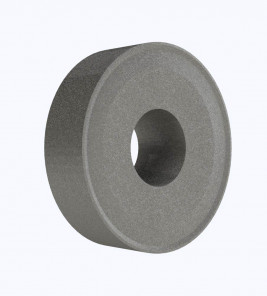
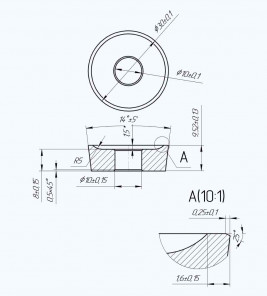
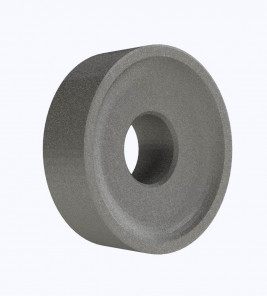
The LNUX 301940 carbide insert is a tool made of carbide, which is a special material consisting of ..
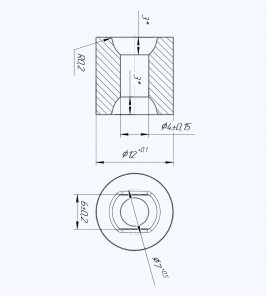
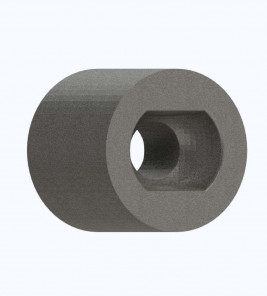
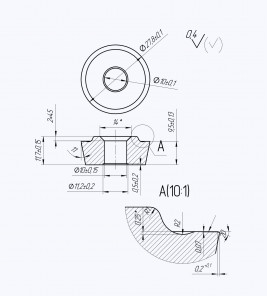
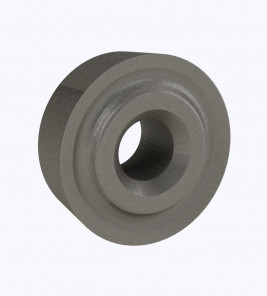
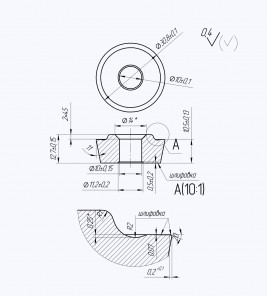
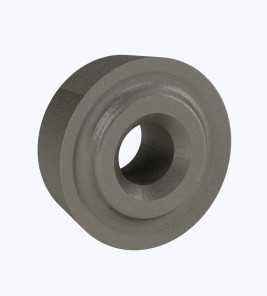
for machining wheelsets and rails
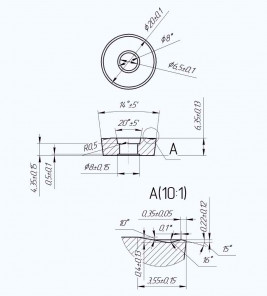
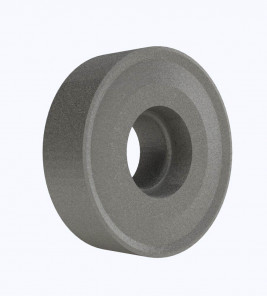
Carbide plates for processing wheel sets and rails are cutting tools used in railway transport to remove surface defects on rails and wheel sets. They consist of a carbide base and a cutting portion that can be replaced when worn or dull.
These plates have high hardness and wear resistance, allowing them to effectively remove defects on the surface of rails and wheel sets such as cracks, dents, and wear. They can also be used for processing rails and wheel sets before installing new elements.
There are many different types of carbide plates, each designed for a specific type of processing. Some plates can be used to remove deeper defects, while others are designed for finishing.
Choosing the appropriate carbide plate depends on the type of defect and surface properties of the rails or wheel sets. The proper selection of plates can significantly impact productivity and processing quality.
Carbide plates for processing wheel sets and rails are an important cutting tool for maintaining railway tracks. They provide higher productivity and processing accuracy, as well as time and cost savings.