
Carbide inserts for brazed cutters
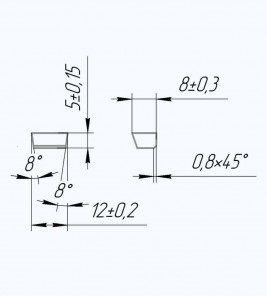
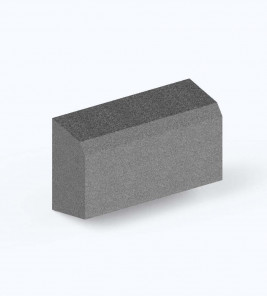
01371
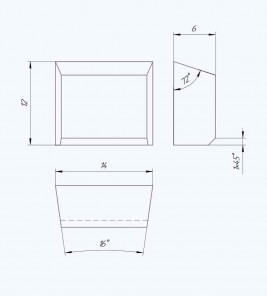
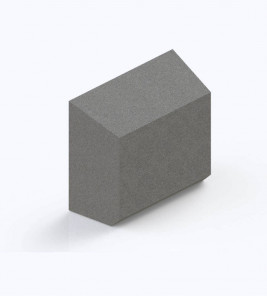
Designation L, mm b, mm s, mm angle alpha, deg 01251 50 20 12.0 18 01411 25 14 8.0 18 01431 32 1..
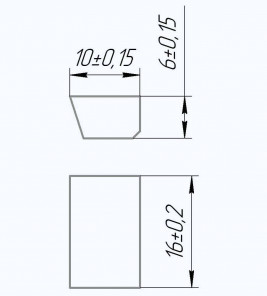
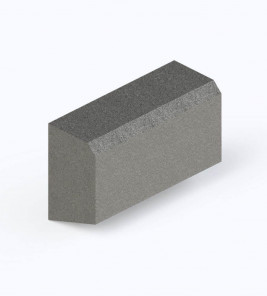
02252
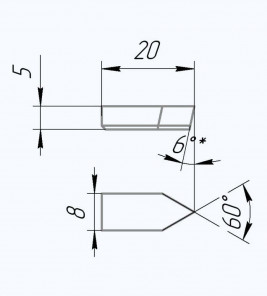
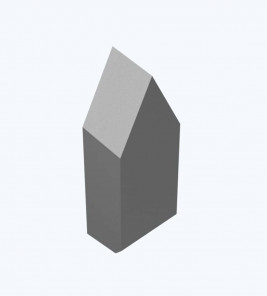
Designation L, mm b, mm s, mm angle alpha, deg 01251 50 20 12.0 18 01411 25 14 8.0 18 01431 32 1..
11210
Designation L, mm b, mm s, mm angle alpha, deg 01251 50 20 12.0 18 01411 25 14 8.0 18 01431 32 1..
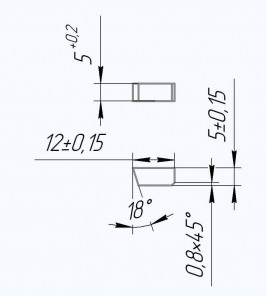
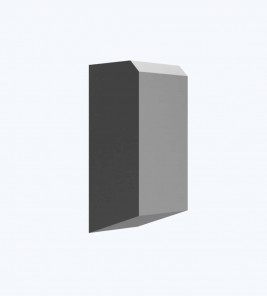
13151
Designation L, mm b, mm s, mm angle alpha, deg 01251 50 20 12.0 18 01411 25 14 8.0 18 01431 32 1..
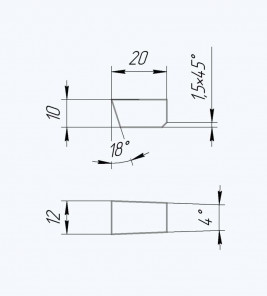
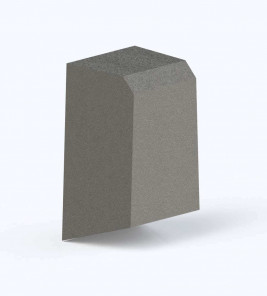
13652
Designation L, mm b, mm s, mm angle alpha, deg 01251 50 20 12.0 18 01411 25 14 8.0 18 01431 32 1..
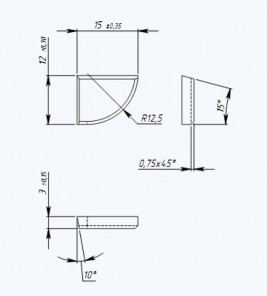
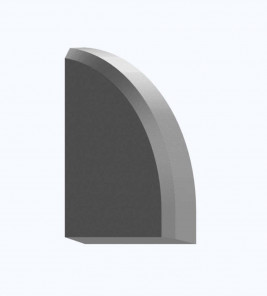
20050
Designation L, mm b, mm s, mm angle alpha, deg 01251 50 20 12.0 18 01411 25 14 8.0 18 01431 32 1..
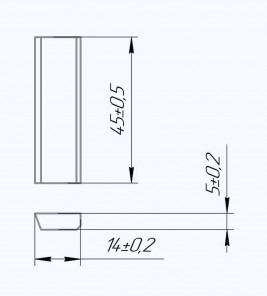
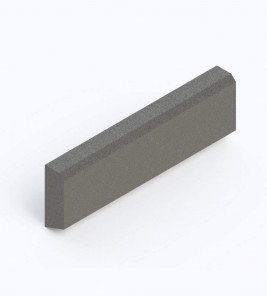
24850
Designation L, mm b, mm s, mm angle alpha, deg 01251 50 20 12.0 18 01411 25 14 8.0 18 01431 32 1..
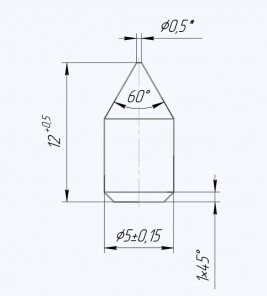
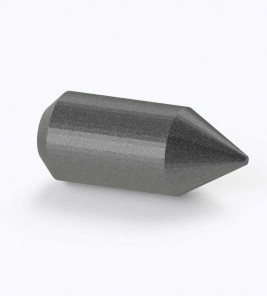
34090
Designation L, mm b, mm s, mm angle alpha, deg 01251 50 20 12.0 18 01411 25 14 8.0 18 01431 32 1..
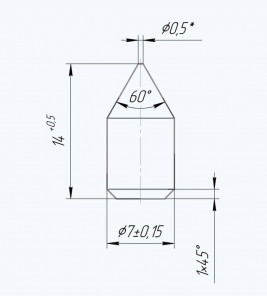
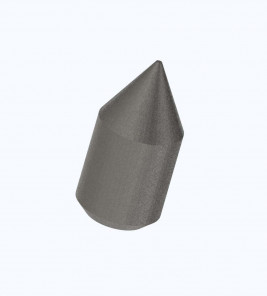
34110
Designation L, mm b, mm s, mm angle alpha, deg 01251 50 20 12.0 18 01411 25 14 8.0 18 01431 32 1..
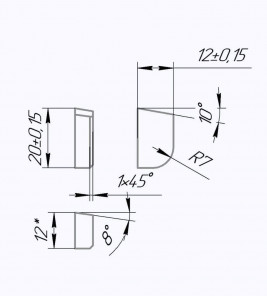
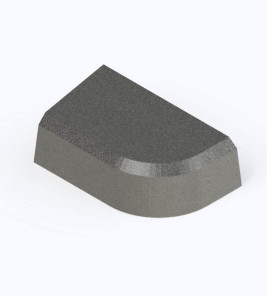
67410
Designation L, mm b, mm s, mm angle alpha, deg 01251 50 20 12.0 18 01411 25 14 8.0 18 01431 32 1..
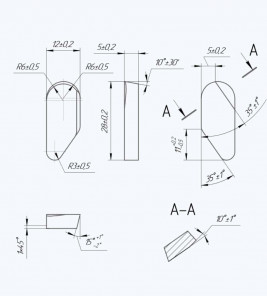
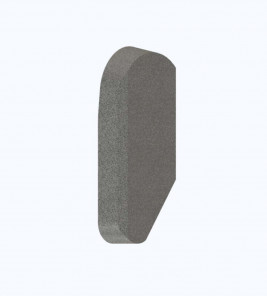
Carbide inserts for brazed cutters
Brazed carbide inserts are cutting tools consisting of a carbide plate that is brazed onto a base. They are used for various types of machining, such as milling, drilling, boring, and turning.
These inserts have high hardness and wear resistance, allowing them to maintain a sharp cutting edge for a longer period of time. Brazed carbide inserts are widely used in industry for processing metals and other materials.
Brazed carbide inserts are replaceable components that can be replaced when worn or dull. They can be used with different types of workpiece materials, such as steel, aluminum, titanium, and copper.
There are many different types of brazed carbide inserts, each designed for a specific type of machining. Some inserts can be used to remove deeper defects, while others are designed for finishing.
Brazed carbide inserts are important cutting tools used in industry for processing various materials. They provide high productivity and processing accuracy, as well as economic efficiency by allowing for the replacement of only worn components.