
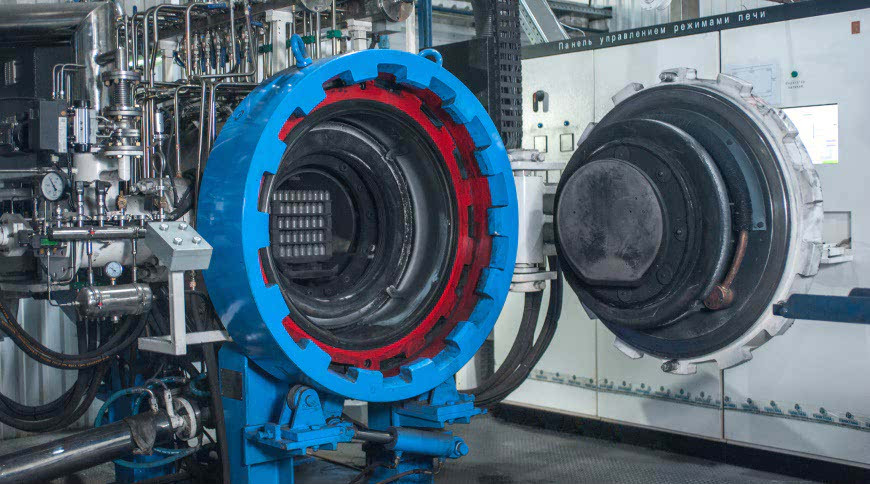
Powder metallurgy, raw materials and technology
Powder metallurgy is a method of producing metal powder and molding a metal blank or mixture into the products of these processes. It enables the production of special materials that are difficult to obtain by conventional melting methods, as well as the production of precise mechanical parts, saving labor and materials. However, the mold and metal powder cost is relatively high, and it is not suitable for small batches or large product sizes. Compared with traditional material technology, powder metallurgy materials and processes have the following characteristics:
- The powder metallurgy process is carried out below the melting point of the base metal, so a variety of composite materials and products can be obtained, such as various metals, metal-ceramic composites, metal-polymer composites, regardless of the melting temperature of the material.
- Improved material properties. The finely dispersed metal or alloy powder produced by a special process has a very fast solidification rate and a uniform structure without pores, which ensures stable performance of the resulting alloy.
- Using a variety of forming processes, powder metal can be directly formed into blanks, which greatly reduces the amount of processing. This allows you to easily control the consumption of materials and reduce costs.
There are many different hard metal alloys produced by powder metallurgy, mainly alloys of tungsten and other refractory metals, tungsten carbide, titanium carbide, tantalum carbide and other hard alloys using Co and Ni as binders.
Used for making drills, turning tools, milling cutters in cutting tools and wear-resistant tools and molds; porous materials such as copper alloy, stainless steel and nickel used to make sintered metal filters and textile rings, etc. With the development of technology, the direction of powder metallurgy will be more widely used.